
Metal trading insights
A Practical Guide to Buying Aluminium Scrap Internationally
The commercial checks buyers should complete before confirming grade, recovery, packing and shipment terms.
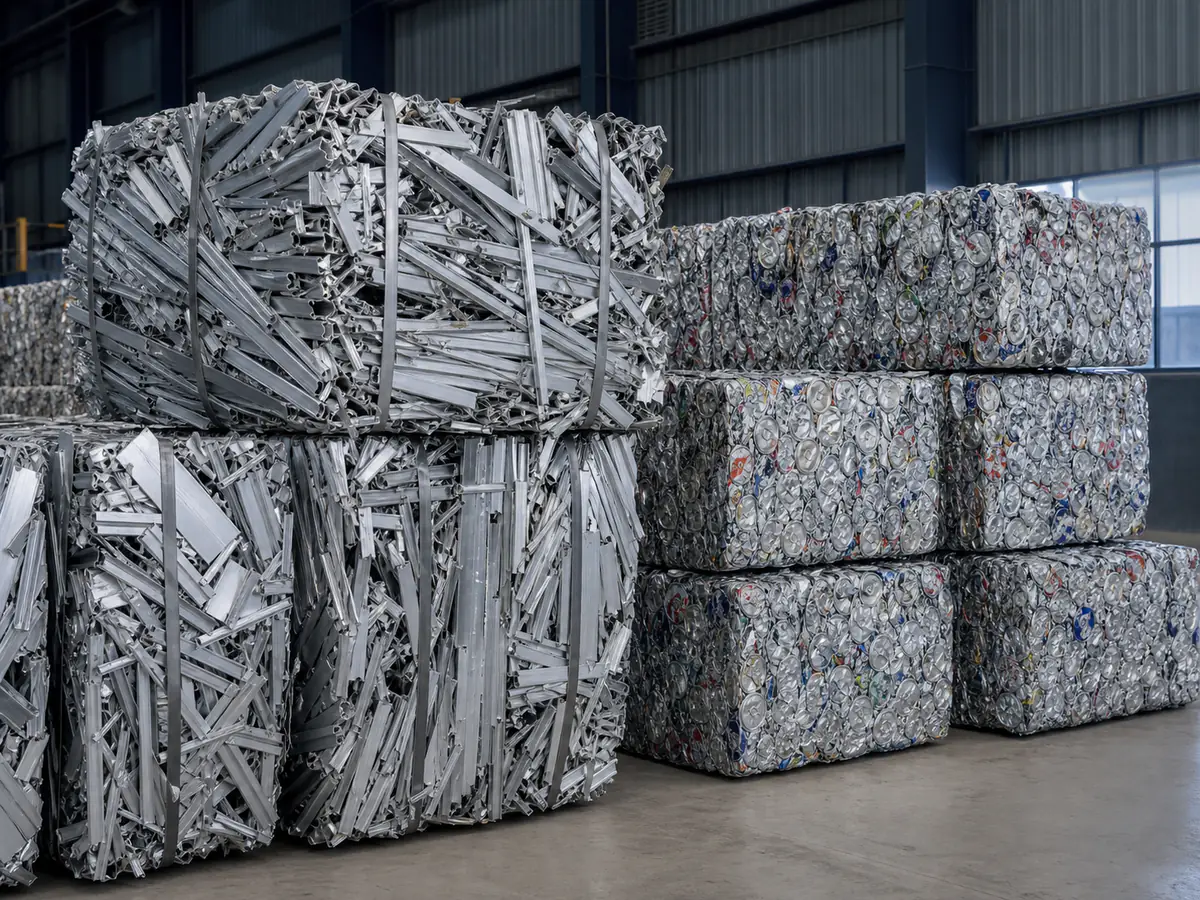
International aluminium scrap purchases work best when the material specification is defined before price discussions begin. A clear requirement should name the grade, acceptable attachments, maximum contamination, packing method, shipment quantity, destination and inspection basis.
Photos and videos are useful for initial qualification, but they do not replace inspection. Buyers should verify alloy consistency, moisture, ferrous attachments, plastics, rubber, oil, dirt and other elements that affect recoverable metal. For sensitive grades, handheld XRF testing or representative sampling may be appropriate.
Packing affects both logistics and quality. Dense bales can improve container utilisation, while loose loading may make inspection easier for some grades. The agreed packing method should match the material, handling facilities and destination requirements.
Commercial comparison should be based on expected recoverable metal—not gross shipment weight alone. Freight, duty, processing, finance cost and expected yield all influence the effective landed cost.
Before shipment, both parties should confirm the specification, inspection evidence, weight basis, Incoterm, document set and procedure for handling any quality difference. This discipline reduces ambiguity and supports repeat business.