Metal trading insights
DGFT's October 2026 PSIC Update: What Scrap Exporters in the USA, UK, EU, Canada, Australia and New Zealand Need to Know
DGFT Public Notice 35/2026-27 of 21 October 2026 sets out when metal scrap from the USA, UK, EU, Canada, Australia and New Zealand can enter India without a PSIC, which 11 ports qualify, and how ICD clearance works.
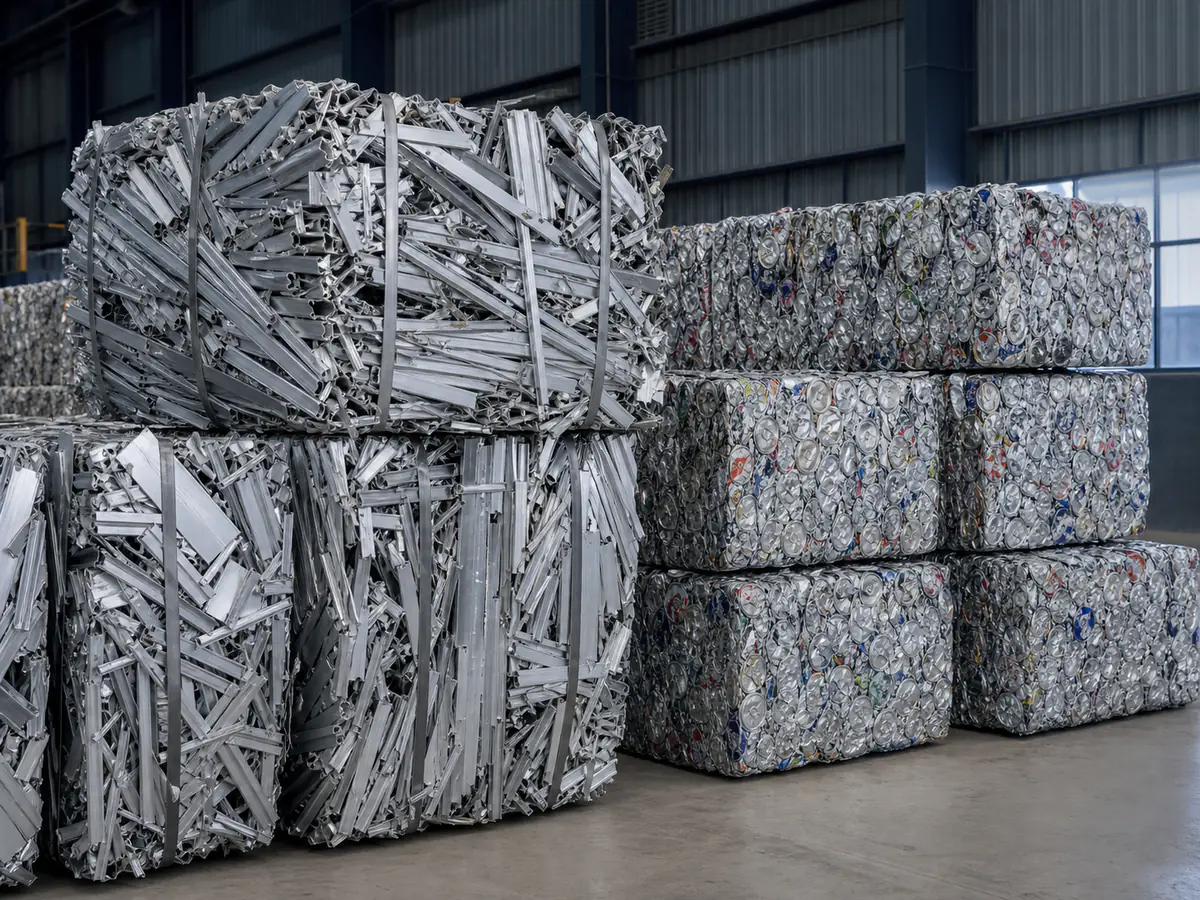
On 21 October 2026, India's Directorate General of Foreign Trade (DGFT) issued Public Notice No. 35/2026-27, amending the rules on pre-shipment inspection certificates (PSICs) for imports of metallic waste and scrap. For scrap yards in the United States, the United Kingdom, the European Union, Canada, Australia and New Zealand, the notice spells out exactly when a shipment to India can go without a PSIC, and it confirms that qualifying cargo can be cleared at an inland container depot.
This post explains what changed, what still applies, and what it means in practice if you ship aluminium, alloy wheel or other metal scrap to Indian buyers.
Quick background: what a PSIC is
India's import rules for metallic waste and scrap start from one principle. Scrap must not contain hazardous or toxic waste, radioactive material, or "any type of arms, ammunition, mines, shells, live or used cartridge or any other explosive material" (DGFT Handbook of Procedures 2023, para 2.51 (https://content.dgft.gov.in/Website/dgftprod/e1cb52ea-0c3a-4c2a-8cd7-dd992e9bdc98/HBP_2023.pdf)).
To prove that, Indian Customs normally asks the importer for a PSIC in the format of Appendix 2H of the Handbook, issued by an inspection and certification agency listed in Appendix 2G. For unshredded, compressed and loose scrap, the certificate confirms that the cargo has no arms, ammunition or explosives and that its gamma and neutron radiation is not above natural background, and it records both the background level and the maximum level measured on the scrap (para 2.51(d)(i)). The importer must also give Customs a copy of the contract with the exporter stating that the consignment contains none of these materials (para 2.51(d)(iii)).
Aluminium scrap (Exim code 76020010), copper, brass, zinc, nickel, tin, magnesium and several iron and steel scrap codes are all on the list covered by these conditions (para 2.51(a)).
What Public Notice 35/2026-27 says
The notice replaces the text of para 2.51(d)(v)(iv) of the Handbook (Public Notice 35/2026-27 as published by TaxGuru (https://taxguru.in/dgft/dgft-clarifies-psic-exemption-metallic-scrap-imports-icd-clearance.html)). The new provision does four things.
1. The default rule stays. Imports of metallic waste and scrap "shall be subject to a Pre-Shipment Inspection Certificate (PSIC) from the country of origin."
2. Safe countries are exempt, with conditions. Shredded and unshredded scrap from the "designated safe countries/regions, namely the USA, UK, Canada, New Zealand, Australia, and the EU" is exempt from the PSIC requirement if:
- (a) the consignment comes with a certificate from the supplier or scrap yard authority certifying that it contains no radioactive materials or explosives; - (b) it enters India through one of eleven named sea ports, where it faces mandatory radiation and explosive checks through portal monitors and container scanners; and - (c) it is not a trans-shipment through those countries or regions.
3. The eligible ports are named. The eleven ports are Chennai, Tuticorin, Kandla, JNPT, Mumbai, Krishnapatnam, Mundra, Kattupalli, Hazira, Kamarajar and Adani Gangavaram.
4. ICD clearance is allowed. The exemption applies to clearance for home consumption at the entry sea port or at an Inland Container Depot (ICD), "provided that all conditions specified under clauses (a) to (c) above are satisfied at the port of entry and, in case of clearance at an ICD, proof of the same is provided at the ICD."
The text of the provision it replaced, quoted in the same notice, named eight ports for the exemption: Chennai, Tuticorin, Kandla, JNPT, Mumbai, Krishnapatnam, Mundra and Kattupalli. The new wording lists eleven, adds the ICD clearance language, and sets the conditions out as a numbered list. DGFT describes the effect as setting out "in more precise terms the scope of the PSIC exemption".
What this means for suppliers
If you ship from a safe country to a listed port
You can skip the third-party PSIC, but you cannot skip the paperwork. Your shipment needs your own certificate, as the supplier or scrap yard, stating that the cargo contains no radioactive materials or explosives. Treat that certificate as seriously as an inspection report. Your buyer will hand it to Indian Customs, and the container will still pass through radiation portal monitors and scanners at the port.
A good supplier certificate:
- is on your company letterhead and signed by an authorised person; - names the buyer, the material, the container numbers and the bill of lading number; - states clearly that the consignment does not contain any radioactive materials or explosives; and - matches the invoice and packing list exactly.
Ask your buyer whether they want any specific wording. Some Indian buyers will also want the contract to carry the same declaration, since para 2.51(d)(iii) asks for it.
Watch the trans-shipment condition
The exemption does not cover trans-shipments through the safe countries. If your material originates elsewhere and only passes through, say, a European hub, do not assume the exemption applies. Talk to the buyer about a PSIC before you load.
If your buyer clears at an ICD
Many Indian buyers clear at an inland container depot near their plant rather than at the sea port. The notice now makes clear that safe-country scrap can still be exempt from a PSIC when cleared at an ICD, provided the conditions are met at the entry port and proof is shown at the ICD. Expect your buyer's customs broker to ask for clean copies of your certificate and transport documents so they can show that the cargo entered through a listed port.
If you ship from anywhere else
For scrap from countries outside the safe list, or into a port that is not on the list, nothing in this notice removes the PSIC. Budget for an inspection by a DGFT-recognised agency before loading. If you need more detail on how inspection works, see our earlier post on pre-shipment inspection for metal scrap exports to India (https://metroxoverseas.com/blog/pre-shipment-inspection-metal-scrap-india-psic).
What has not changed
The notice amends one sub-paragraph. The rest of para 2.51 stays in force, including the ban on hazardous, radioactive and explosive content, and the rules on which ports may receive unshredded scrap. Indian Customs can still examine any container. The safe-country route lowers paperwork cost; it does not lower the quality bar.
A practical checklist for your next India shipment
1. Confirm the port of discharge is one of the eleven listed ports, for example Chennai. 2. Confirm the material originates in a safe country and is not being trans-shipped through one. 3. Prepare a signed supplier or scrap yard certificate stating there are no radioactive materials or explosives. 4. Make sure the sales contract contains the same declaration. 5. Keep the invoice, packing list, bill of lading and certificate consistent in names, weights and container numbers. 6. If the buyer clears at an ICD, send document copies early so their broker can show compliance at the entry port. 7. If any of these conditions is not met, arrange a PSIC from an Appendix 2G agency before loading.
Working with Metrox Overseas
Metrox Overseas buys aluminium scrap, including clean alloy wheel scrap, from suppliers in the USA, UK, EU, Australia, New Zealand and other markets for delivery to Indian ports such as Chennai. If you have regular material, write to us at metroxoverseas@gmail.com with your grade, monthly quantity, photos and your best CIF Chennai price, and we will walk you through the documents for your route.
*This post summarises a public notice for general information. It is not legal advice; always confirm current requirements with your buyer and their customs broker before shipping.*
---
Sources
- DGFT Public Notice No. 35/2026-27, 21 October 2026, "Amendment to the provisions relating to PSIC requirements for import of metallic waste and scrap under the Handbook of Procedures, 2023", as published by TaxGuru: https://taxguru.in/dgft/dgft-clarifies-psic-exemption-metallic-scrap-imports-icd-clearance.html - DGFT, Handbook of Procedures 2023, para 2.51 (Import of Metallic Waste and Scrap) and Appendices 2G and 2H: https://content.dgft.gov.in/Website/dgftprod/e1cb52ea-0c3a-4c2a-8cd7-dd992e9bdc98/HBP_2023.pdf - Appendix 2H, format of the Pre-Shipment Inspection Certificate: http://worldtradescanner.com/Appendix%202H_new.pdf