
Metal trading insights
Getting Paid by LC at Sight on Scrap Exports to India: A Supplier's Checklist
How a letter of credit at sight works for metal scrap shipments to India, what UCP 600 says about deadlines, tolerances and discrepancies, and how suppliers can avoid delayed payment.
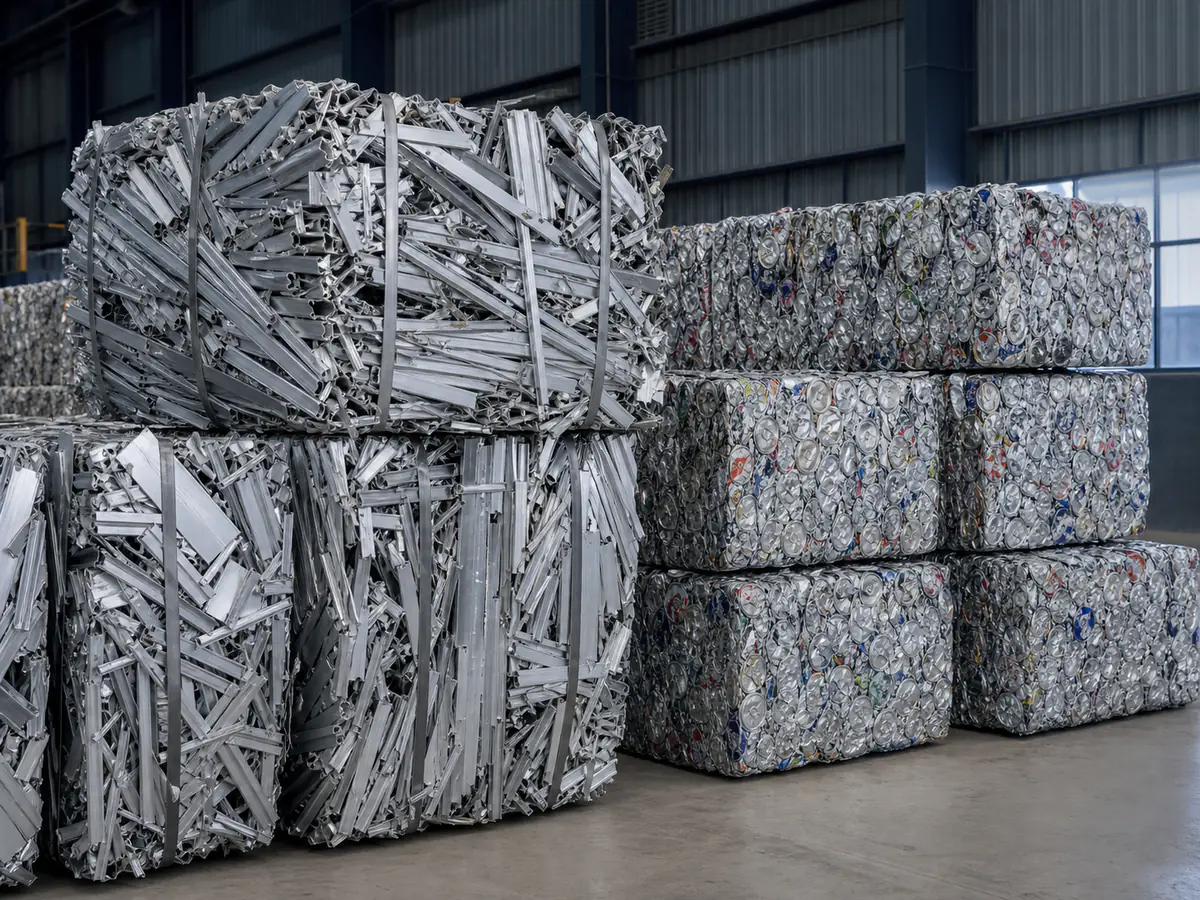
Many scrap yards outside India prefer advance payment, and many Indian buyers prefer to pay against documents. A letter of credit (LC) at sight is often where the two meet. The supplier gets a bank's promise to pay, and the buyer pays only when shipping documents that match the agreed terms are presented.
An LC only protects you if your documents are right. This guide explains how an LC at sight works for metal scrap shipments to India, what the international rules (UCP 600) say, and the mistakes that most often delay payment.
## How an LC at sight works
Most LCs are issued subject to UCP 600, the International Chamber of Commerce's Uniform Customs and Practice for Documentary Credits. Under UCP 600, a credit is "irrevocable and thereby constitutes a definite undertaking of the issuing bank to honour a complying presentation" (Article 2). For a sight credit, "honour" means "to pay at sight".
In practice, a scrap shipment to India usually runs like this:
1. Buyer and seller sign a contract covering grade, quantity, price per metric tonne, Incoterm (often CIF or CFR Chennai, Mundra or Nhava Sheva), shipment period and the documents required. 2. The Indian buyer asks its bank to issue the LC in the supplier's favour. 3. The LC reaches the supplier through an advising bank in the supplier's country. 4. The supplier loads and ships, then presents the documents the LC asks for. 5. The bank checks the documents and, if they comply, pays.
## Rule one: banks look at documents, not scrap
UCP 600 is blunt: "Banks deal with documents and not with goods, services or performance to which the documents may relate" (Article 5). The LC is also "a separate transaction from the sale or other contract on which it may be based" (Article 4).
This works both ways. If the scrap is perfect but the invoice description doesn't match the LC, the bank can refuse. If the documents are perfect, the bank pays whatever the buyer thinks of the material. That is why Indian buyers also ask for inspection evidence in the document set, and why your paperwork needs as much care as your loading.
## The deadlines that matter
Three time limits come from UCP 600 Article 14 and the LC itself:
- **Expiry date.** Every credit "must state an expiry date for presentation" (Article 6). Documents presented after expiry don't comply. - **21-day presentation rule.** If the LC doesn't set its own period, a presentation including original transport documents "must be made ... not later than 21 calendar days after the date of shipment ... but in any event not later than the expiry date of the credit" (Article 14(c)). - **Bank examination time.** Each bank involved has "a maximum of five banking days following the day of presentation to determine if a presentation is complying" (Article 14(b)).
So plan for documents to be with your bank well before day 21. Couriering original bills of lading late is a common way to lose LC protection.
## Common documents for a scrap LC to India
The LC will list exactly what to present. For metal scrap to India, expect most of these:
- **Commercial invoice.** Under Article 18 it must appear to be issued by the beneficiary, be made out to the applicant, be in the LC currency and, critically, carry a goods description that "must correspond with that appearing in the credit". Copy the LC's wording exactly, for example "Aluminium scrap Troma as per ISRI". - **Full set of clean on-board bills of lading.** Check the consignee and notify party against the LC. Article 14(j) says the applicant's address and contact details "must be as stated in the credit" where they appear in the consignee or notify party fields. - **Packing list and weight list.** Gross and net weights per container. - **Insurance certificate (for CIF).** If the LC doesn't specify the amount, cover must be "at least 110% of the CIF or CIP value of the goods" (Article 28), and the insurance date must be no later than the shipment date. - **Certificate of origin.** - **Pre-shipment inspection certificate (PSIC) or supplier certificate.** India requires a PSIC for most metal scrap imports, with an exception for scrap from certain countries cleared through listed ports. See our [PSIC guide](https://metroxoverseas.com/blog/pre-shipment-inspection-metal-scrap-india-psic) and the DGFT Handbook of Procedures, para 2.51. - **Inspection or loading report and photos**, if the buyer asked for them.
## Quantity and amount tolerances
Scrap containers rarely weigh exactly what was contracted. UCP 600 Article 30 helps:
- If the LC says "about" or "approximately", that allows "a tolerance not to exceed 10% more or 10% less" on the amount, quantity or unit price it refers to. - Otherwise, for bulk goods not counted in packing units, a tolerance of 5% more or less on quantity is allowed, as long as total drawings don't exceed the LC amount.
Match the tolerance in your contract to the tolerance in the LC. If you might ship 5% over, ask for an LC amount that covers it. The bank cannot pay more than the credit amount.
Under Article 31, partial shipments are allowed unless the LC says otherwise. If you plan to ship a 100-tonne order in several lots, check that the LC doesn't prohibit it.
## When documents don't match: discrepancies
If a bank finds a discrepancy, it may refuse to pay (Article 16). It must send a single notice listing every discrepancy no later than the close of the fifth banking day after presentation. The issuing bank may ask the buyer to waive the discrepancies, but that is the buyer's choice, and the supplier's protection drops to roughly that of a collection.
Typical discrepancies on scrap shipments include:
- An invoice description that differs from the LC wording - A late presentation (after 21 days or after expiry) - A shipment date later than the latest shipment date in the LC - A missing original document, or a document issued by the wrong party - Different weights on the invoice, packing list and bill of lading - Consignee or notify party details not exactly as the LC states
The fix is simple: check the LC as soon as you receive it. If any clause can't be met, such as an unrealistic shipment date or a document your inspection agency can't issue, ask for an amendment **before** you load.
## Confirmed LCs
If you're unsure about the issuing bank, you can ask for the LC to be confirmed by a bank in your own country. Under UCP 600, a confirmation is "a definite undertaking of the confirming bank, in addition to that of the issuing bank" (Article 2), and the confirming bank "is irrevocably bound to honour or negotiate as of the time it adds its confirmation" (Article 8). Confirmation costs a fee, so agree in the contract who pays it.
## Why Indian buyers like sight LCs
On the Indian side, the Reserve Bank of India's Master Direction on Import of Goods and Services says remittances against normal imports "should be completed not later than six months from the date of shipment" (para B.5.1). Payment terms beyond that are treated as trade credit, with extra procedures. An LC at sight settles well within that window, which keeps things simple for the importer's bank too.
## Supplier checklist
- Read the LC the day it arrives. Check names, addresses, grade description, quantity, tolerance, price, Incoterm, ports, latest shipment date, expiry and document list. - Request amendments before loading, not after. - Copy the LC's goods description word for word onto the invoice. - Keep weights consistent across every document. - Book your inspection agency early if a PSIC is required. - Present documents well inside 21 days of shipment and before expiry.
## Sources
- ICC Uniform Customs and Practice for Documentary Credits (UCP 600), Articles 2, 4, 5, 6, 8, 14, 16, 18, 28, 30 and 31. ICC Digital Library: https://library.iccwbo.org/content/tfb/RULES/tfb-ucp600-rules.htm - Reserve Bank of India, Master Direction: Import of Goods and Services, para B.5.1: https://www.rbi.org.in/scripts/BS_ViewMasDirections.aspx?id=10201 - DGFT Handbook of Procedures 2023, para 2.51: https://content.dgft.gov.in/Website/dgftprod/e1cb52ea-0c3a-4c2a-8cd7-dd992e9bdc98/HBP_2023.pdf
*This article provides general information, not legal or banking advice. Every LC has its own terms. Check each credit with your bank.*
**Shipping scrap to India?** Metrox Overseas buys aluminium scrap, including alloy wheels, for delivery to Indian ports. [Become a Supplier](https://metroxoverseas.com/#supplier)