Metal trading insights
UBC Scrap: Quality Checks Before You Buy
How moisture, hidden contamination, bale density and non-aluminium material can change the real value of UBC scrap.
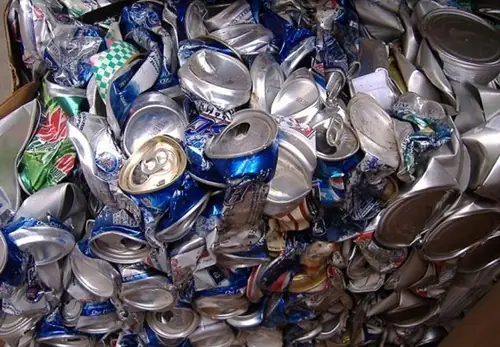
Used beverage can scrap is widely traded, but bale appearance alone does not establish quality. Buyers should evaluate moisture, steel cans, plastic, glass, dirt, fines and any hidden material placed inside the bale.
Moisture deserves particular attention because it adds non-metal weight and may vary between the outside and centre of a bale. Inspection should use an agreed sampling method and record the condition of the material at the time of checking.
Magnet testing helps identify ferrous contamination. Visual opening of representative bales can reveal plastic bottles, glass, soil and other foreign material. Bale dimensions and density should also be recorded because very loose or irregular bales affect container utilisation and handling.
Buyers and suppliers should agree whether settlement is based on gross weight, net material weight or a quality adjustment. Photos, videos, inspection notes and weight records should form part of the transaction file.
Final acceptance should always follow the contract specification and mutually agreed inspection process. Where recovery is uncertain, representative sampling or a trial melt provides stronger evidence than assumptions.